Climate risk in your portfolio: physical vs transition exposure
Climate risk in your portfolio: read AASB S2 disclosures and test physical and transition exposure with a worked …

Your money already shapes the climate, through your super, your savings and the shares you own. Bloom helps Australians see where it goes and back the solutions that cut emissions.
Say you're 34, living in Brisbane, with $48,000 in a "balanced" super option and a few hundred dollars a month going into an ETF. You care about the climate. But when you open the fund's holdings list, you find coal miners, gas pipelines and a bank that lends to both. That gap between the label and the portfolio is the most common problem Australian investors tell us about.
Impact investing closes that gap by asking a stricter question than "is this company less bad?" It asks what changes in the real world because the money is there. The Wikipedia entry on impact investing describes it as investment made with the intention of generating a measurable social or environmental benefit alongside a financial return. The word that matters is measurable.
We built Bloom around that idea. Our Climate Impact Fund chose every holding against the climate solutions ranked by Project Drawdown and the pathways modelled by ClimateWorks Centre, and by January 2023 it held 53 investments across more than 50 solutions. The fund has since closed to new money, but the research method still guides everything we publish: start with the solution, then find the companies that deliver it.

Each guide answers one question Australians search for, with worked examples, sources and a checklist you can use on your own fund or shares.
How impact differs from ESG and ethical labels, and how to measure it.
Read the guide → 02Compare ethical super, ETFs and managed funds, and test their screens.
Read the guide → 03Why ESG ratings disagree and what AASB S2 climate reporting changes.
Read the guide → 04Build a portfolio with clear themes, emissions measures and fee maths.
Read the guide → 05Write your exclusion list and weigh divestment against engagement.
Read the guide → 06How ACCUs work, what they cost and how to judge credit integrity.
Read the guide → 07Declining baselines, SMCs and what carbon costs mean for ASX companies.
Read the guide → 08Price cycles, producers versus developers, and mining impacts.
Read the guide →These are the impact categories our fund research used. Each one maps to a group of Project Drawdown solutions, and each comes with a real-world result from a company in the sector.
Moving the grid to renewable sources such as solar, wind and hydropower, plus the storage that keeps it stable.
Better farming practices, food security, protecting existing ecosystems and cutting food waste.
Energy-efficient buildings, cleaner manufacturing and circular business models that keep materials in use.
Less reliance on fossil-fuel transport: electric vehicles, battery technology and public transport.

A company makes our research only if it delivers a solution that climate science ranks as effective. That keeps "green-ish" businesses with a sustainability report but no real product out of the picture.
See our impact method →
Our investment committee brought together people from ethical funds management, clean energy and climate policy. Their job was to say no more often than yes.
Meet the team →
Impact doesn't excuse a poor investment. We look at fees, diversification and company finances with the same care as the climate case, because a failed company cuts no emissions.
How the portfolio was built →Climate risk in your portfolio: read AASB S2 disclosures and test physical and transition exposure with a worked …
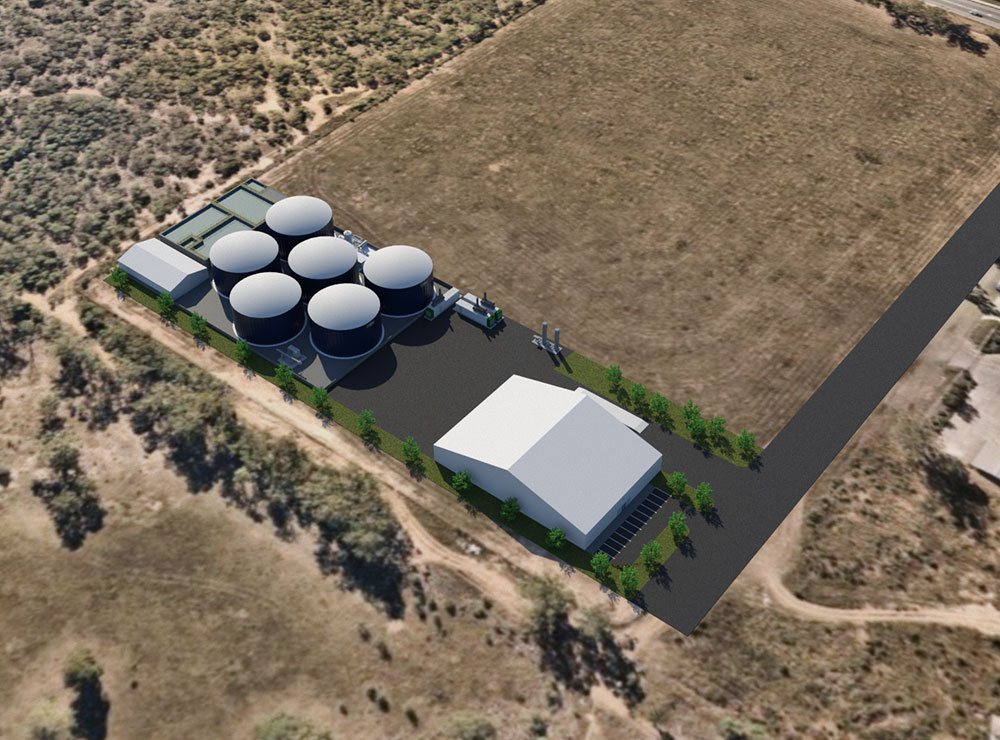
Waste to energy in Australia: Kwinana, East Rockingham, biogas, emissions and project economics, with practical tests …
Offshore wind in Australia: the six declared areas, licences, costs and setbacks, plus a practical look at listed shares …

Hydrogen stocks on the ASX researched: green versus blue hydrogen, Australian policy, cancelled projects, offtake …
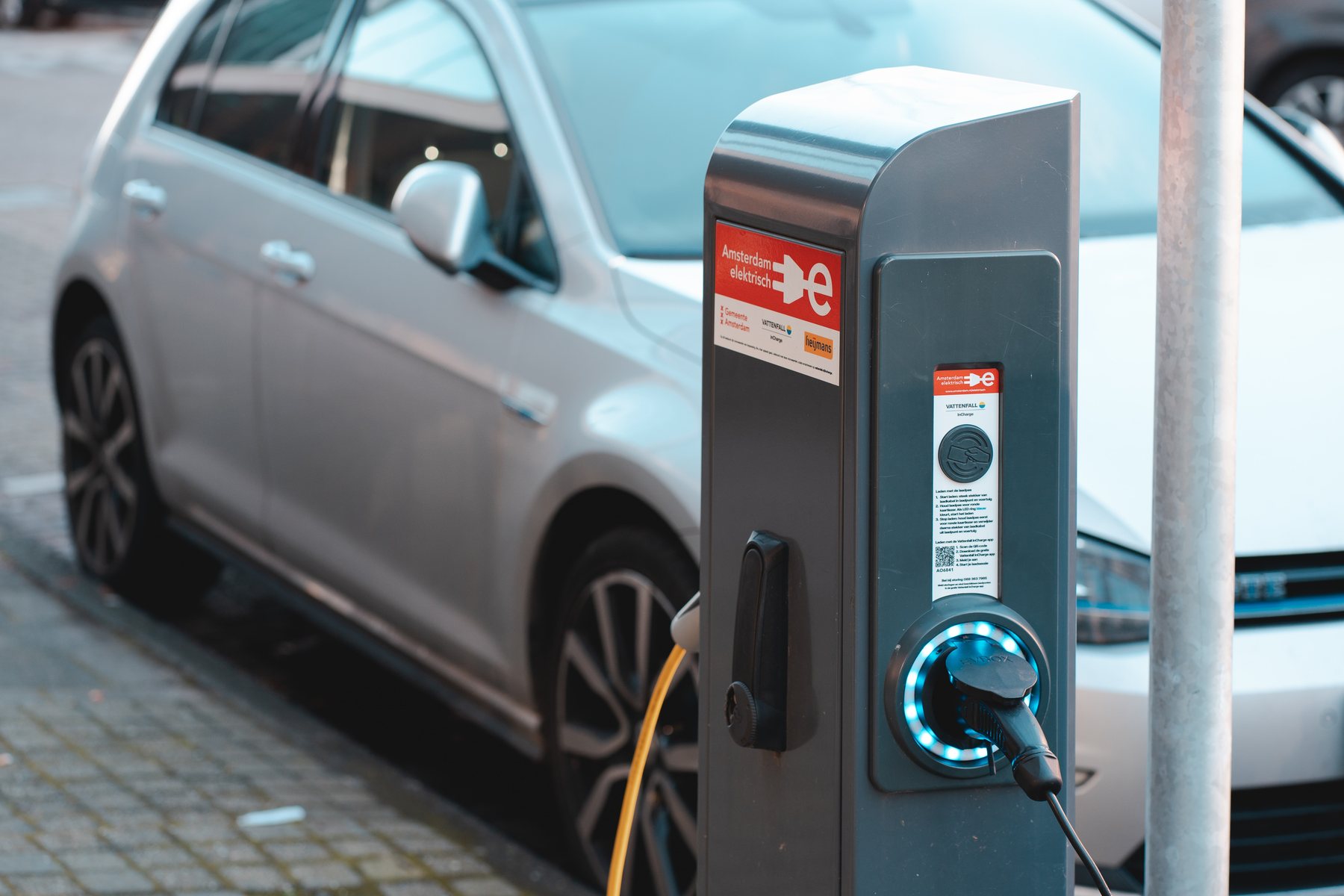
Green loan Australia guide: compare green home, car, solar and battery loans, eligibility rules, fees, true borrowing …
Critical minerals in Australia: the official lists, the processing tax incentive and mineral-specific ESG checks before …
We put investor questions directly to listed climate companies and impact fund managers. The recordings and notes are still a useful starting point for your own research.






Impact investing means putting money into companies, funds or projects with the intention of producing a measurable social or environmental result alongside a financial return. In Australia it covers listed shares, managed funds, green bonds, carbon projects and private investments. The test that separates it from a marketing label is evidence: a stated outcome, a way to measure it and regular reporting against it.
No. Ethical investing usually removes activities you object to, and ESG investing uses environmental, social and governance information to judge risk. Impact investing goes a step further and sets out to cause a positive change that can be measured. Many Australian products mix all three approaches, so the fund's own rules and holdings tell you more than its name.
No. The Bloom Climate Impact Fund stopped accepting new investments in June 2023 and is being wound up, and the app no longer accepts investment instructions. Bloom continues to publish free guides, company research and the Cleantech Investing Guide for Australians who want to invest with the climate in mind.
Compare the fund's marketing with its product disclosure statement and its latest full holdings list. Look for exact exclusion thresholds, how much of the portfolio the screen covers and whether underlying funds are screened too. ASIC has taken several Australian super and fund managers to court over claims that their holdings did not match, so a mismatch is worth a written question.
There is no fixed minimum. Some ETFs and micro-investing platforms let you start with a few dollars, while unlisted impact funds often ask for $5,000 or more and may be limited to wholesale investors. Your super is often the largest pool of money you already control, so checking its investment option is a sensible first step.
Our free Cleantech Investing Guide profiles 95+ companies across renewables, storage, transport and recycling.